Rubio calls Delhi blast ‘terrorist attack’, commends India’s ‘very professional’ probe
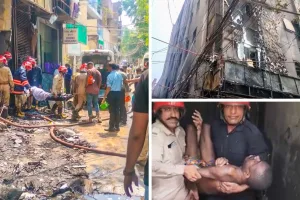
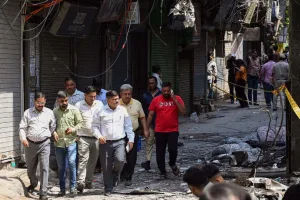
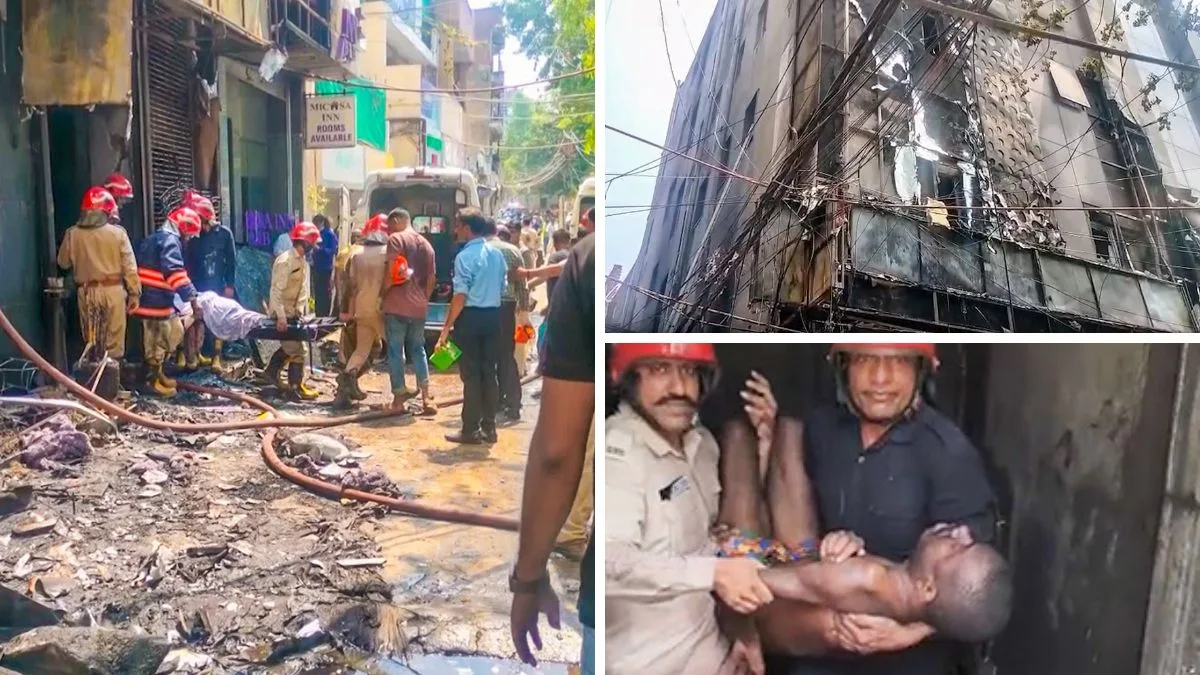
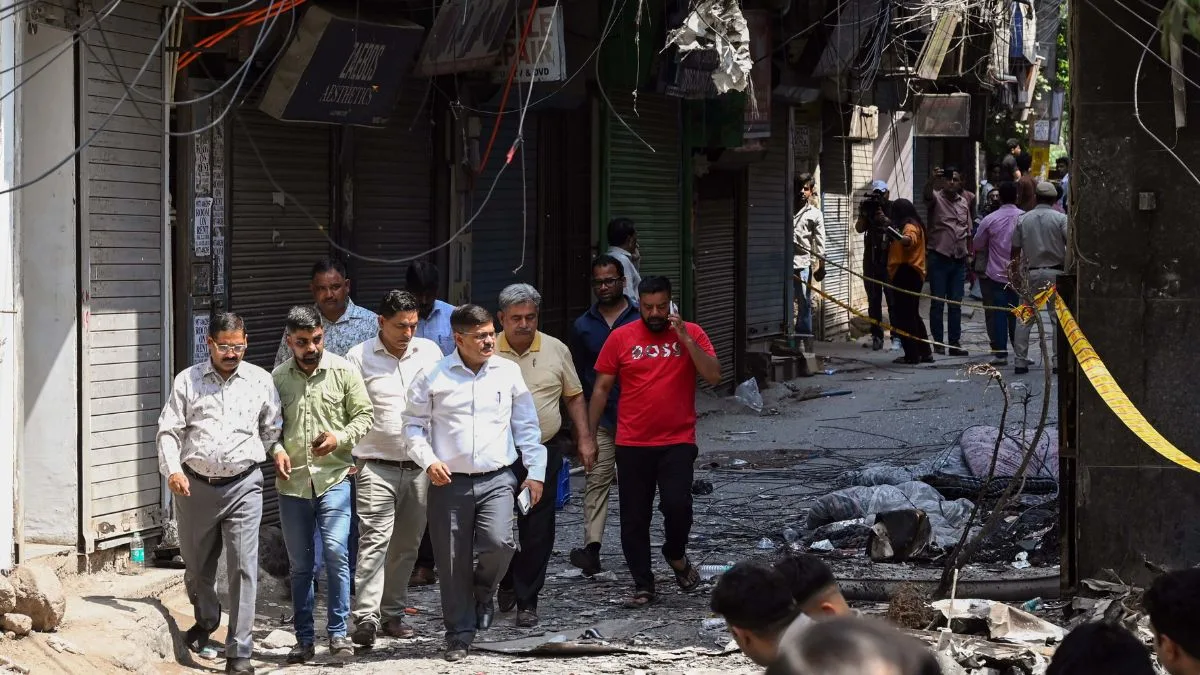
US Secretary of State Marco Rubio has characterised the Red Fort bombing as a “terrorist attack” and commended India’s “very…
The acquittal of 12 men in the 2006 Mumbai train bombings ~ an attack that claimed 187 lives and injured over 800 ~ demands not just legal introspection but moral and institutional reflection.





Representational Image
The acquittal of 12 men in the 2006 Mumbai train bombings ~ an attack that claimed 187 lives and injured over 800 ~ demands not just legal introspection but moral and institutional reflection. Nearly two decades after the tragedy, the courts have declared that the prosecution “utterly failed” to establish the guilt of those once convicted and sentenced to death or life imprisonment. What does this say about the credibility of our investigative and prosecutorial systems, and more importantly, about the cost of justice denied or miscarried? For years, these men languished in jail, with one of them even dying during the Covid-19 pandemic. Their conviction in 2015 was based on confessions and evidence now found unreliable or inadequately handled.
The High Court’s decision, spread across a 667-page judgment, pointed out glaring deficiencies: key witness testimonies questioned, confessions contested, and critical forensic material not preserved in sealed condition throughout. If this level of carelessness ~ or worse, institutional bias ~ can occur in a case of such magnitude, what does it say about the fate of countless others without media attention or legal support? The blasts themselves were among the most gruesome attacks in India’s modern history. They targeted Mumbai’s lifeline ~ the suburban rail network ~ striking commuters during evening rush hour with coordinated precision. The scale of human loss demanded swift justice. But justice, in its haste or its politics, appears to have been compromised. It is easy to imagine the pressure under which the prosecution operated then, amid national outrage and international scrutiny.
Advertisement
Yet, justice cannot be manufactured to satisfy vengeance or public demand. It must be earned through verifiable facts, transparent processes, and accountability at every level. While the prosecution may yet appeal the High Court’s ruling, this judgment casts a long shadow over the methods and motivations that shaped the original investigation and trial. This judgment brings to the forefront a deep concern that has haunted India’s criminal justice system: the vulnerability of minorities, the marginalised, and the politically scapegoated. While terrorism must be fought with the full force of the law, fabricating or manipulating evidence serves no one ~ not the victims, not the state, and certainly not the idea of justice. When courts unravel such miscarriages years later, public trust in both policing and the judiciary suffers. What happens next is not merely a legal formality ~ whether or not the state appeals the verdict.
Advertisement
It is an ethical test for our democracy. The lives lost in 2006 can never be recovered, and must now be presumed to have been denied justice. But those whose lives were wrongly caged in its aftermath deserve more than release ~ they deserve the truth. So too does the Indian public deserve answers about how such a monumental failure in justice occurred, and what is being done to ensure it does not happen again. Justice delayed is often justice denied. But when investigative techniques are held to be so wrong, the damage this inflicts is far deeper ~ and longer lasting.
Advertisement